Posted by:


UK video game consumer spending continues to evolve, reflecting the growing dominance of digital sales, mobile gaming, and immersive gaming experiences. In 2023, the UK gaming industry was valued at £7.82 billion, with a significant shift toward digital downloads and subscription services. While physical game sales have declined, consumers are still investing heavily in gaming hardware, events, and merchandise. This article explores how and why UK gamers are spending their money, the latest trends shaping the industry, and what the future holds for video game culture in the region.

Transition to Digital Consumption

A significant trend is the decline in physical game sales. In 2024, boxed video game sales plummeted by 35%, with physical copies now constituting only 10.4% of new game sales in the UK.

This shift is attributed to consumers’ growing comfort with digital downloads, the convenience of online storefronts, and the rise of subscription services. In contrast, digital console software sales rose by 5.6% to £2.48 billion in 2023, and digital PC software saw a 4.5% increase, reaching £684 million.

UK-Video-Game-Consumer-Spending UK Video Game Consumer Spending: How Gamers Are Investing in Digital, Hardware, and Culture

Growth in Mobile Gaming

Mobile gaming has also seen substantial growth. In 2023, mobile game sales increased by 4.5%, totaling £1.52 billion.

This surge is particularly evident among Gen Z students, with 90% engaging in mobile gaming and 30% playing daily. The accessibility and convenience of mobile platforms make them a preferred choice for this demographic.

Investment in Gaming Hardware

Despite the digital shift, investment in gaming hardware remains robust. In 2023, console hardware sales surged by 12% to £951 million, indicating sustained demand for gaming consoles. However, PC game hardware sales experienced an 11% decline, totaling £673 million.

Expansion of Gaming Culture

The broader gaming culture, encompassing events, merchandise, and media, has flourished. Revenues from UK games events and venues rose by 140% in 2023, reaching £10.3 million, driven by notable events such as the Pokémon GO Fest and Apex Legends Global Series.

Additionally, spending on gaming-related toys and merchandise increased by 3.8%, totaling £207 million.

Challenges and Future Outlook

While the industry has shown resilience, it faces challenges. In 2024, the UK video game market experienced a 4.4% decline, with both physical and digital sales affected.

Factors such as a lull in the console cycle and a lack of new hit intellectual properties contributed to this downturn. However, analysts predict a rebound in 2025, driven by anticipated releases like Nintendo’s new console and Grand Theft Auto 6.

In summary, UK consumers are increasingly embracing digital platforms and mobile gaming, while still investing in hardware and participating in gaming culture events. The industry’s adaptability to changing consumer behavior


Posted by:


Artificial Intelligence (AI) is transforming industries worldwide, and social media marketing is no exception. AI-driven technologies are revolutionizing the way brands connect with their audiences, optimize content, and measure success.

Here’s a closer look at how AI will change social media marketing in the coming years.

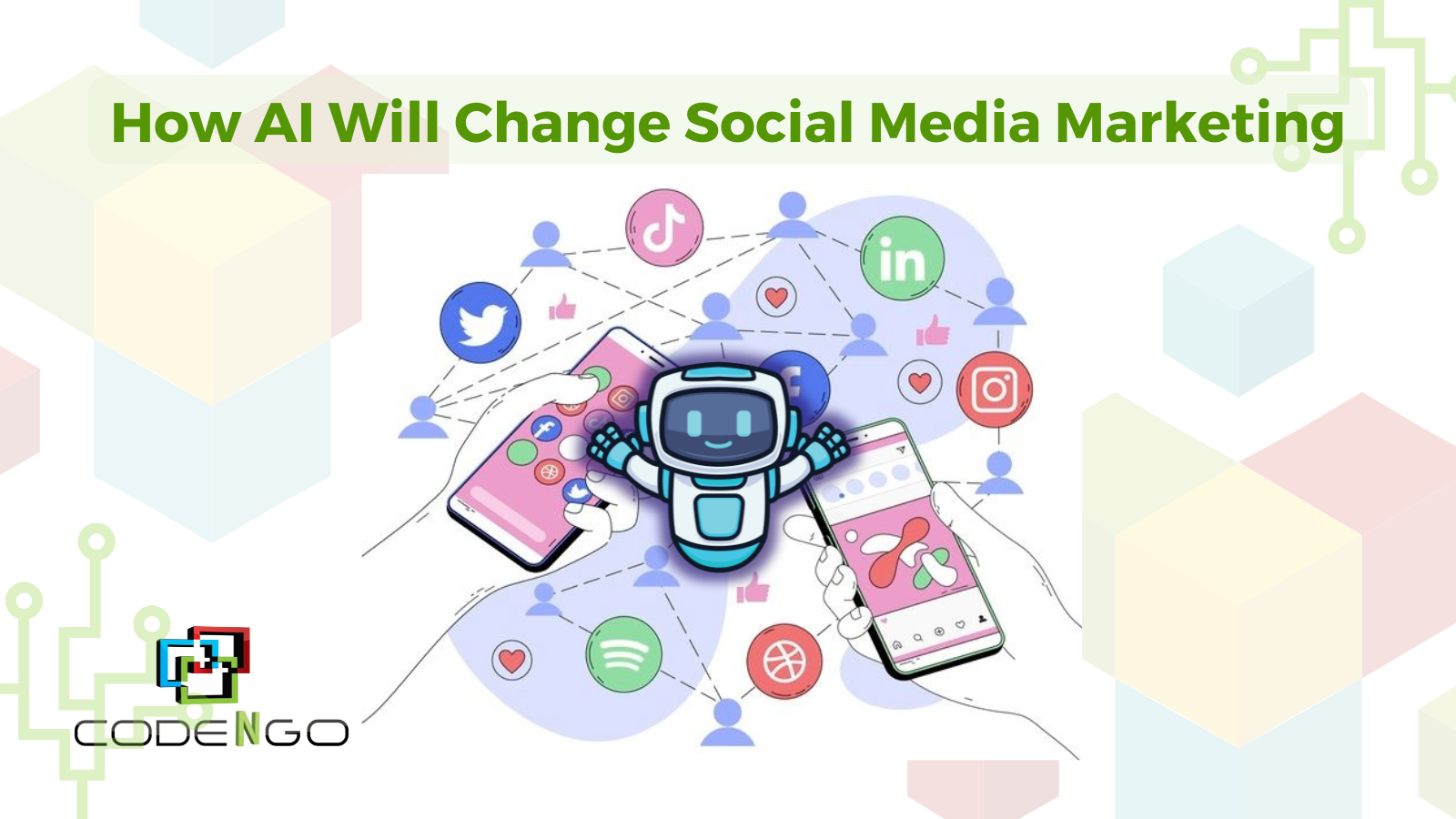
AI-in-Social-Media-Marketing How AI Will Change Social Media Marketing

1. Hyper-Personalization and Audience Targeting

AI allows marketers to analyze vast amounts of user data to deliver highly personalized content. Machine learning algorithms can predict user preferences based on their behavior, engagement patterns, and interactions. This enables brands to tailor advertisements, posts, and recommendations to specific audiences, increasing engagement and conversion rates.

2. Automated Content Creation and Curation

AI-powered tools like ChatGPT, Jasper, and Copy.ai can generate high-quality captions, blog posts, and ad copies within seconds. These tools help marketers create engaging content more efficiently while maintaining consistency. Additionally, AI can curate content by analyzing trending topics, ensuring that brands stay relevant in the ever-changing social media landscape.

3. Chatbots and Customer Service Automation

AI-driven chatbots are becoming an essential part of social media marketing. These bots can handle customer inquiries, provide instant responses, and even assist with purchases. With natural language processing (NLP) capabilities, AI chatbots can offer human-like interactions, enhancing customer satisfaction while reducing operational costs.

4. Enhanced Social Listening and Sentiment Analysis

AI enables brands to monitor social media conversations in real time. Sentiment analysis tools can assess how users feel about a product, service, or campaign. By understanding public perception, businesses can make data-driven decisions, address customer concerns promptly, and refine their marketing strategies.

5. AI-Driven Visual Recognition and Influencer Marketing

Advanced AI algorithms can analyze images and videos to detect trends, brand logos, and even emotional expressions. This technology helps brands measure the impact of their visual content and identify influencers whose audiences align with their brand values. AI-powered influencer marketing platforms streamline the process of finding and collaborating with content creators.

6. Predictive Analytics for Campaign Optimization

AI-powered predictive analytics help marketers forecast campaign performance based on historical data. By analyzing engagement rates, conversion metrics, and customer behavior, AI can suggest the best times to post, optimal ad placements, and content formats that resonate with audiences.

7. Fraud Detection and Brand Safety

AI helps protect brands from fraudulent activities, including fake followers, bot-driven engagements, and spam content. AI algorithms can detect suspicious behavior and ensure that marketing efforts reach genuine audiences. Additionally, AI-driven content moderation tools help maintain brand reputation by filtering out harmful or inappropriate content.

8. Voice and Video Optimization

With the rise of voice search and video content, AI is playing a significant role in optimizing these formats. AI-powered tools can generate video subtitles, suggest keywords for better SEO rankings, and even create synthetic voiceovers for brand promotions. As video content continues to dominate social media, AI will be instrumental in enhancing its accessibility and effectiveness.

Conclusion

AI is not just a trend; it is reshaping the future of social media marketing. From personalized content and chatbot-driven customer service to predictive analytics and fraud detection, AI is making marketing more efficient and data-driven. Businesses that embrace AI-powered solutions will have a competitive advantage, allowing them to engage audiences more effectively and drive meaningful results. As AI technology continues to evolve, marketers must stay ahead of the curve to maximize its potential in shaping the digital marketing landscape.


Posted by:


AI in mobile apps is evolving rapidly, shaping digital experiences. The State of AI Development Report 2025 highlights major AI advancements, with more developers integrating AI-powered apps. From hyper-personalization to analytics, AI is making apps more intuitive, secure, and efficient. Advances in machine learning, NLP, and generative AI enable smarter, adaptive solutions. This article covers key findings and their impact on mobile app development in 2025 and beyond.

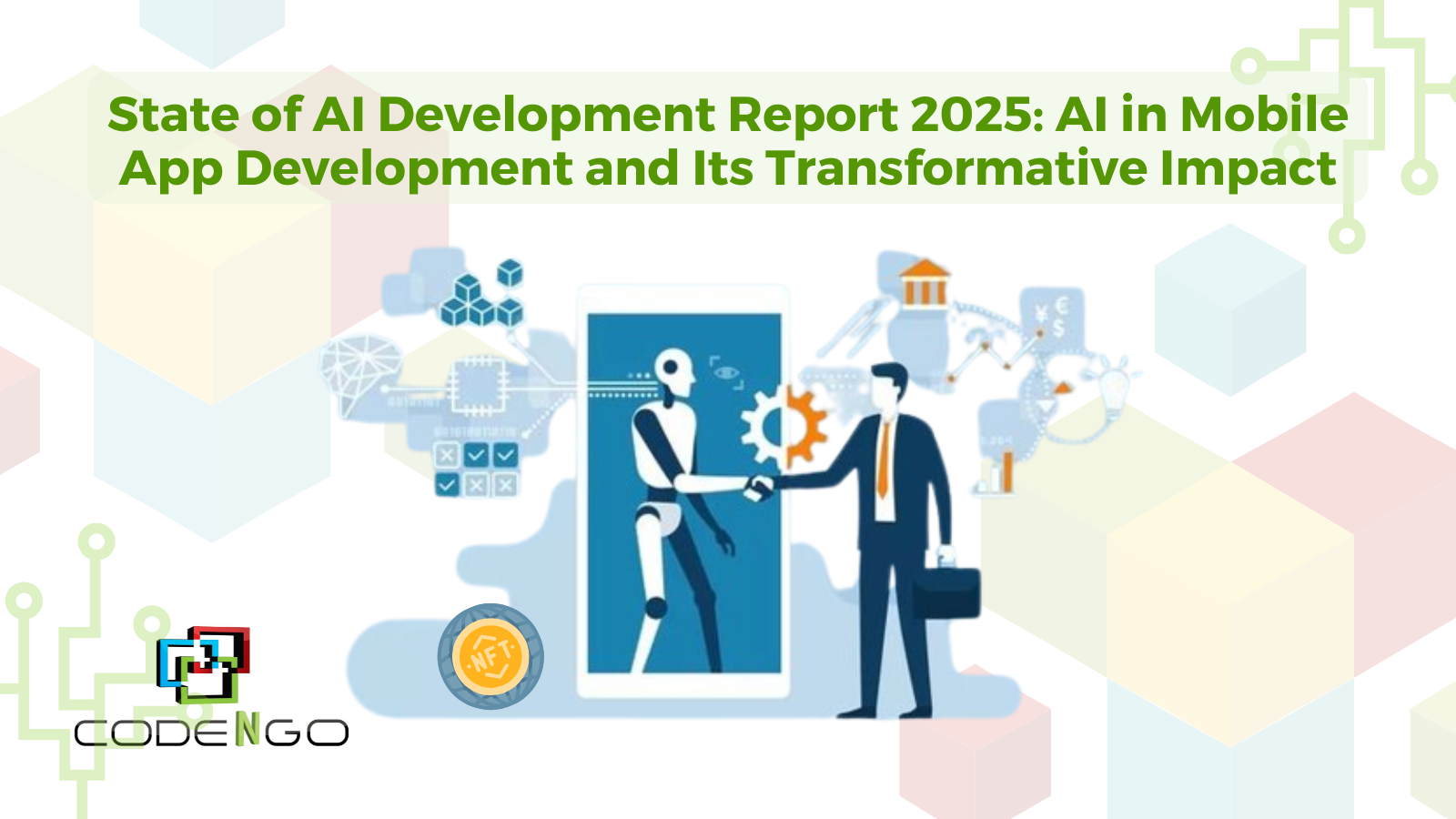
2025-State-of-AI-Development-Report-2025 State of AI Development Report 2025: AI in Mobile App Development and Its Transformative Impact

The 2025 State of AI Development Report by Vellum highlights significant advancements in artificial intelligence, with 25% of developers deploying AI applications in production and an additional 39% in various testing stages. OpenAI maintains a leading position, particularly with its GPT-4o model, which is utilized by 64.9% of developers.

In mobile app development, AI integration is transforming user experiences through hyper-personalization, predictive analytics, and enhanced security. Key AI technologies driving this change include machine learning, natural language processing, computer vision, generative AI, and predictive analytics. These technologies enable features such as voice and gesture control, augmented reality integration, and AI-powered chatbots and virtual assistants.

The emergence of efficient AI models, like DeepSeek’s R1, demonstrates that high-performance AI can be achieved with fewer resources. DeepSeek’s R1 model, for instance, was trained using approximately 2,000 GPUs over 55 days at a cost of $5.58 million, significantly less than comparable models. This development has the potential to democratize AI integration in mobile apps, making it more accessible to a broader range of developers.

Looking ahead, AI is expected to be deeply integrated into every stage of the mobile app lifecycle, from development to deployment. This integration will enable businesses to create more intuitive, responsive, and adaptive applications that meet users’ needs more effectively.

In summary, the advancements detailed in the 2025 State of AI Development Report underscore AI’s transformative impact on mobile app development, leading to more personalized, efficient, and secure applications.

Posted by:


Artificial intelligence (AI) is making mobile apps smarter than ever. Think about apps that predict what song you want to hear next or suggest the perfect pair of shoes based on your style. That’s AI at work! Creating these apps is all about making them easy to use and secure for everyone. Developers need to figure out how to combine cutting-edge technology with user-friendly designs. Here’s what makes AI-powered apps so special and how developers can make them even better.

AI-Developers- What Developers Need to Know About AI-Powered Mobile Apps

Personalization Makes Apps More Fun

Imagine opening an app, and it feels like it already knows you. That’s personalization, and AI is the magic behind it. It learns what you like, whether it’s your favorite songs, movies, or workout routines, and tailors your experience. For example, a food delivery app might suggest your favorite pizza spot on a Friday night. But this only works if it’s done right. Developers need to use AI in a way that feels natural, not intrusive. Nobody wants an app that feels like it’s stalking them. Done well, personalization keeps users happy and coming back for more.


Why Security Matters

AI apps are amazing, but they need a lot of data to work. And when data moves between systems, it has to be protected. API security services keep everything safe behind the scenes. For example, if a fitness app connects to a smartwatch to track your steps, these tools make sure your data doesn’t end up in the wrong hands. It’s like having a digital bodyguard for your information. Keeping data safe builds trust, and trust keeps users around.


Don’t Overcomplicate Things

Let’s face it: nobody likes a complicated app. Even the smartest AI features won’t matter if the app is hard to use. The key is to make everything simple. Take a travel app, for instance. If it uses AI to suggest the best times to book a flight, it should present the information clearly, without making users hunt for it. Developers need to make sure their apps are helpful without being overwhelming. If an app feels effortless, users will stick with it and tell their friends about it too.


Test It Until It’s Perfect

Building an AI app is kind of like baking a cake. You have to test it to make sure it’s just right. Developers need to try out their apps in real-world situations to see how they work. Maybe a shopping app suggests shoes that don’t match the user’s style. That’s a problem testing can catch. And apps aren’t one-and-done. Instead, they need updates to stay relevant. The more you test and improve, the better the app becomes.


The Future is Bright

AI in mobile apps is just getting started, and the possibilities are endless. From apps that can recognize your voice to ones that predict what you’ll need before you know it, the future is exciting. Developers who focus on making apps secure, simple, and user-friendly will lead the way. When they focus on staying on top of new tech, they can build apps that people love. AI-powered apps are only going to get bigger, and it’s an exciting time to be part of this trend!


Posted by:


China’s mobile app market is a dynamic and expansive landscape, serving as one of the largest and most vibrant digital ecosystems in the world. With over 1.1 billion app users as of December 2021, the country boasts a diverse and tech-savvy audience that engages with mobile applications daily for everything from entertainment and gaming to productivity and social interactions. This massive user base reflects the deep integration of mobile technology into the fabric of everyday life in China, creating unparalleled opportunities for app developers and businesses to tap into a highly connected and digitally forward market.

China-MObile-app China's Mobile App Market: Unlock Opportunities in Gaming and Utilities

The Gaming Landscape in China

Mobile gaming stands as a dominant force in China’s app ecosystem. Titles like Tencent’s Honor of Kings have achieved remarkable success, with the game generating over $2.45 billion in 2020, making it the highest-earning game of that year.

This success is largely attributed to effective monetization strategies, including free-to-play models enhanced by in-app purchases such as cosmetic upgrades and premium battle passes. For instance, PUBG Mobile, another Tencent collaboration, surpassed $10 billion in global player spending by June 2023, with approximately 60.3% of this revenue originating from China.

Utility Apps: Integral to Daily Life

Beyond gaming, utility apps have become indispensable in the daily lives of Chinese consumers. Platforms like WeChat have evolved into multifaceted tools, offering services ranging from messaging to payments, shopping, and even gaming. WeChat’s mini-programs, which allow users to access various services without leaving the app, have gained immense popularity, with over half a billion users engaging monthly.

Strategies for Market Entry

To effectively tap into this lucrative market, developers should consider the following strategies:

  1. Localization: Adapting your app to align with Chinese cultural preferences and language nuances is crucial. This includes translating content accurately and ensuring that design elements resonate with local aesthetics.

  2. Monetization Models: Implementing free-to-play models supplemented by in-app purchases can drive revenue. Offering value-added services or virtual goods that enhance user experience encourages spending.

  3. Integration with Super Apps: Collaborating with platforms like WeChat can provide access to a vast user base. Developing mini-programs or integrating services within these super apps can enhance visibility and user engagement.

  4. Compliance with Regulations: Navigating China’s regulatory environment is essential. Ensuring your app complies with local laws and guidelines will facilitate smoother entry and operation within the market.

Conclusion

The Chinese app market offers immense potential for developers, particularly in the realms of immersive gaming and utility applications. By tailoring your app to meet the specific preferences and needs of Chinese users, and by adopting effective localization and monetization strategies, you can position your app for success in this expansive and unique market.

Posted by:


Malware, AI, and malvertising have become intertwined in ways that significantly escalate cybersecurity risks. As artificial intelligence (AI) empowers cybercriminals to develop advanced malware and exploit advertising platforms, the threat landscape grows more complex and dangerous. Malvertising—the practice of embedding malware in online advertisements—is now supercharged by AI, enabling precise, adaptive, and large-scale attacks that are harder to detect and combat. This article delves into the evolving threats posed by this convergence, its implications for digital security, and strategies for mitigation.

Malware- Malware AI Malvertising: A Growing Cybersecurity Crisis


The Role of AI in Malware Development

Artificial intelligence has revolutionized many industries, offering tools that enhance efficiency, productivity, and innovation. Unfortunately, these same capabilities are being weaponized by cybercriminals. AI-powered malware is characterized by its ability to adapt and evade traditional security measures. Key features of AI-enhanced malware include:

  • Polymorphism: The ability to continuously alter its code, making it harder for antivirus software to detect.

  • Behavioral Adaptation: Using machine learning to study and mimic user behavior, AI malware can infiltrate systems without raising suspicion.

  • Automated Targeting: AI enables malware to identify and target high-value individuals or organizations with precision, increasing the likelihood of success.

These capabilities make AI-driven malware a formidable adversary, outpacing traditional cybersecurity defenses and requiring innovative countermeasures.

What is Malvertising?

Malvertising, or malicious advertising, involves embedding malware within online advertisements. When unsuspecting users click on these ads, they are redirected to malicious websites or prompted to download infected files. Even reputable websites can inadvertently host malvertisements due to the complexity of ad networks, which are often difficult to vet completely.

The Intersection of AI and Malvertising

The combination of AI and malvertising creates a perfect storm for cyber threats. AI enhances malvertising in several ways:

  • Personalized Attacks: Using AI, attackers analyze user data to craft highly targeted ads that are more likely to attract clicks.

  • Dynamic Content Delivery: AI can deliver malicious content only to specific users or under certain conditions, reducing the chance of detection.

  • Efficient Exploitation: AI streamlines the process of finding vulnerabilities in ad networks and websites, allowing cybercriminals to deploy malvertising campaigns at scale.

How to Detect Malvertising

Detecting malvertising is critical to preventing malware infections. Here are some key methods:

  • Ad Blockers: Use reputable ad-blocking software to filter out suspicious or intrusive ads.

  • URL Inspection: Hover over links in advertisements to verify their URLs before clicking. Avoid clicking on ads with unfamiliar or shortened links.

  • Security Software: Install comprehensive security tools that can detect and block malicious ads and their associated payloads.

  • Browser Extensions: Use browser extensions that scan and identify potentially harmful ads.

  • Network Traffic Analysis: Organizations can monitor network traffic for unusual patterns that may indicate malvertising campaigns.

  • Regular Website Scans: For webmasters, routinely scanning ad networks and site content can help identify and remove malicious advertisements.

The Implications for Cybersecurity

The escalation of malware threats driven by AI and malvertising has significant implications:

  1. Increased Attack Surface: With more users and businesses relying on digital platforms, the opportunities for malvertising attacks grow.

  2. Financial Losses: Malware infections often lead to data breaches, ransomware attacks, and financial fraud, costing billions annually.

  3. Erosion of Trust: Frequent malvertising campaigns damage consumer trust in online platforms and advertising.

Mitigating the Threat

Addressing the challenges posed by AI-driven malware and malvertising requires a multi-faceted approach:

  • Enhanced AI for Defense: Security professionals can leverage AI to detect and counteract malicious activity. Machine learning algorithms can identify patterns and anomalies indicative of malware.

  • Stronger Ad Network Policies: Ad platforms must implement rigorous vetting processes and real-time monitoring to minimize the presence of malvertising.

  • User Education: Awareness campaigns can help users recognize suspicious ads and practice safe browsing habits.

  • Collaboration Across Industries: Governments, businesses, and cybersecurity firms must work together to share intelligence and develop comprehensive strategies against emerging threats.

Conclusion

The escalation of malware threats fueled by AI and malvertising underscores the need for vigilance and innovation in cybersecurity. As cybercriminals continue to exploit advanced technologies, the stakes for protecting digital ecosystems grow ever higher. By staying informed and proactive, individuals and organizations can better defend against these sophisticated threats and ensure a safer online environment.

Posted by:


Mobile app development is evolving at a breakneck pace, driven by technological advancements and changing user demands. From AI-powered tools to no-code platforms, the way we create and deploy mobile apps is undergoing a dramatic transformation. This revolution is empowering developers and businesses to deliver innovative, efficient, and user-centric applications. Let’s dive into the groundbreaking trends and technologies shaping the future of mobile app development.

Mobile-App-Development-Transforms-The-Future-Of-Technology Mobile App Development Transforms The Future Of Technology

Low-Code and No-Code Platforms: Simplifying Development

The rise of low-code and no-code platforms is democratizing app development. These tools allow individuals with minimal technical expertise to design and launch mobile apps using drag-and-drop interfaces.

Platforms like Bubble, OutSystems, and Adalo reduce development time and costs, enabling businesses to quickly prototype and deploy solutions. This trend is particularly beneficial for startups and small businesses looking to innovate without investing heavily in traditional development resources.

Artificial Intelligence and Machine Learning: Smarter Apps

AI and machine learning (ML) are revolutionizing mobile app functionality. Developers can now integrate AI-driven features like personalized recommendations, natural language processing, and predictive analytics seamlessly into their apps.

For example, chatbots powered by AI enhance customer support, while ML algorithms improve user retention by analyzing behavior and delivering relevant content. These technologies make apps smarter, more efficient, and highly adaptive to user needs.

Cross-Platform Development: Efficiency and Consistency

Gone are the days of building separate apps for iOS and Android. Frameworks like Flutter, React Native, and Xamarin enable developers to create cross-platform apps that perform seamlessly across multiple operating systems.

This approach significantly reduces development time and costs while maintaining a consistent user experience. Businesses can now reach a broader audience with minimal effort, making cross-platform development a game-changer.

DevOps and Continuous Integration/Continuous Deployment (CI/CD)

DevOps practices are streamlining the development process by fostering collaboration between development and operations teams. With CI/CD pipelines, developers can automate testing, deployment, and updates, ensuring faster delivery of high-quality apps.

This approach reduces errors, accelerates time-to-market, and allows teams to respond quickly to user feedback, making app development more agile and efficient.

Progressive Web Apps (PWAs): Bridging the Gap

Progressive Web Apps (PWAs) are reshaping the landscape by combining the best of web and mobile apps. PWAs are accessible through browsers yet offer features like offline access, push notifications, and fast load times, mimicking the performance of native apps.

For businesses, PWAs eliminate the need for separate app store submissions, reducing costs and simplifying updates. For users, they provide a seamless and responsive experience across devices.

Cloud-Driven Development

Cloud computing is playing a pivotal role in revolutionizing app development. Cloud-based solutions allow developers to build, test, and deploy apps without worrying about infrastructure limitations.

Platforms like AWS, Microsoft Azure, and Google Cloud offer scalable and secure environments for app hosting and data storage. This not only enhances app performance but also facilitates collaboration among globally distributed teams.

5G Technology: Unlocking New Possibilities

The rollout of 5G networks is a catalyst for innovation in mobile app development. With faster speeds, reduced latency, and enhanced connectivity, developers can create apps with real-time capabilities, such as high-definition streaming, AR/VR experiences, and IoT integrations.

5G also enables seamless communication between devices, paving the way for more advanced and interconnected ecosystems.

Focus on Security and Privacy

As mobile apps handle increasing amounts of sensitive data, security and privacy have become top priorities. Developers are integrating advanced encryption, biometric authentication, and secure APIs to protect user data.

With regulations like GDPR and CCPA in place, ensuring compliance is critical. Tools like automated vulnerability scanners and secure coding practices are now integral to the development process.

Embracing AI-Powered Development Tools

AI isn’t just transforming apps—it’s revolutionizing the development process itself. Tools like GitHub Copilot and OpenAI Codex assist developers by generating code, suggesting improvements, and automating repetitive tasks.

These tools accelerate development cycles, reduce errors, and allow developers to focus on creative problem-solving and high-level functionality.


The Road Ahead

The revolution in mobile app development is just beginning. By leveraging cutting-edge technologies like AI, 5G, and cloud computing, developers can build apps that are not only faster and smarter but also more user-friendly and accessible.

As barriers to entry decrease and innovation accelerates, mobile apps are poised to become even more integral to our daily lives. The future is bright for developers and businesses ready to embrace these transformative trends—and the opportunities are limitless.

Which of these innovations are you most excited about? Let us know!

Posted by:


Adaptive vs Responsive Design in mobile app development, these approaches ensure a seamless experience across devices by tailoring interfaces to various screen sizes, orientations, and capabilities. While they share the same goal, they differ significantly in their methods, implementation, and advantages.

Adaptive-vs-Responsive Adaptive vs. Responsive Design in Mobile App Development: Key Differences and Benefits

What Is Adaptive Design?

Adaptive design involves creating multiple fixed layouts for specific screen sizes. When the app runs, it selects the most appropriate layout based on the user’s device. Rather than adapting on the fly, adaptive design uses predefined “breakpoints” that correspond to device categories like small phones, tablets, and large tablets.

Advantages of Adaptive Design:

  1. Optimized Performance: By loading only the necessary elements, adaptive designs are generally faster, as they are already customized to device capabilities.
  2. Enhanced Control: Designers have precise control over each layout, allowing for a highly tailored experience for different devices.
  3. Better Usability for Specific Devices: Adaptive design can better support particular devices by focusing on unique design elements, which can enhance the user experience on those devices.

Drawbacks of Adaptive Design:

  • Labor-Intensive: Creating multiple designs for each device or screen size is time-consuming.
  • Device-Specific Limitations: If a new device with a different screen size or aspect ratio is released, designers may need to create new layouts to support it.

What Is Responsive Design?

Responsive design, on the other hand, utilizes a flexible grid and scaling elements that adjust fluidly to fit the screen of any device. By using techniques like CSS media queries, responsive designs dynamically adapt based on the device’s screen size, orientation, and resolution.

Advantages of Responsive Design:

  1. Flexibility Across Devices: A single design adjusts to any screen size, eliminating the need for predefined layouts.
  2. Cost-Effective and Scalable: By requiring only one design, responsive layouts are generally more cost-effective to develop and maintain.
  3. Future-Proof: Responsive designs are adaptable, so they work well across new devices, which saves time and resources.

Drawbacks of Responsive Design:

  • Complexity in Implementation: Creating a single, fluid design that works seamlessly on all devices can be challenging, especially if the layout is highly interactive or media-heavy.
  • Performance Issues: Loading larger assets or non-optimized content on smaller devices can slow down the user experience, as the design dynamically resizes everything to fit.

Screenshot-2024-11-18-210200 Adaptive vs. Responsive Design in Mobile App Development: Key Differences and Benefits

Choosing the Right Approach

When deciding between adaptive and responsive design, consider the following:

  1. Nature of the App: If the app has heavy visual and interactive elements, adaptive design might provide a more polished experience since it can be customized to specific devices. Responsive design may work better for simpler, content-heavy applications that prioritize scalability.

  2. Budget and Time: Responsive design is often faster to develop, as it involves a single, adaptable layout, making it more cost-effective. Adaptive design, while possibly more expensive due to multiple layouts, offers finer control over the user experience on targeted devices.

  3. Long-Term Maintenance: Responsive design is generally easier to maintain because it’s inherently compatible with new devices. Adaptive design requires updates whenever new devices or screen sizes are introduced.


Which Approach is Better?

There’s no definitive answer to which approach is “better” since it largely depends on project needs and available resources. Generally:

  • Responsive design is ideal for companies looking to reach a broad user base quickly and cost-effectively. It offers flexibility, future-proofing, and ease of maintenance.
  • Adaptive design suits cases where the app demands a high degree of polish and tailored experiences on specific devices, such as complex gaming apps, video editing tools, or apps used in specific business contexts.

Conclusion

In summary, both adaptive and responsive designs have their place in mobile app development. Responsive design is more accessible and easier to implement for a broad range of devices, making it popular for general-use applications. Adaptive design, however, is advantageous for apps requiring highly optimized performance and fine-grained control over user experience on specific devices. By evaluating the app’s purpose, target audience, and available resources, developers and designers can choose the approach that best meets the app’s needs and provides users with an optimal experience.

Posted by:


Adaptive mobile app development has become essential in today’s landscape, where users expect a seamless experience across devices—from large tablets to compact smartphones. This approach is key to creating applications that work fluidly across various screen sizes, orientations, and resolutions. In this article, we’ll explore the importance of adaptive design in mobile app development, its core principles, and strategies to effectively implement adaptive design, ensuring apps cater to a wide range of devices.

Understanding Adaptive Design in Mobile App Development

Adaptive Adaptive Mobile App Development for Crafting Responsive and Flexible User Experiences

Adaptive design is an approach that customizes the user experience for different screen sizes and device capabilities, enabling apps to work and look great on various platforms. Unlike responsive design, which often relies on flexible grids and percentages to adjust layout, adaptive design is typically built around specific breakpoints or screen sizes. This approach tailors the app’s interface and functionality to fit each device’s specifications, creating a more customized and user-friendly experience.

For mobile app developers, adaptive design offers a powerful method for ensuring usability across devices, especially as the variety of mobile screen sizes grows. It’s essential for keeping users engaged and satisfied with the app, regardless of how they access it.

Core Principles of Adaptive Mobile Design

  1. Define Breakpoints for Key Devices: Breakpoints are screen width values at which the app layout should change to maintain usability. Unlike responsive design, which can scale for any screen size, adaptive design typically sets specific layouts for selected screen widths (e.g., 320px, 480px, 720px, and 1024px). These layouts allow developers to design experiences suited to specific devices without compromising user experience.

  2. Prioritize User-Centered Design: Adaptive design revolves around providing a seamless experience for each user. User-centered design focuses on the habits, needs, and expectations of the target audience. For example, a tablet user might expect a more spacious layout with larger interactive elements, while a smartphone user might prefer more compact, thumb-friendly controls.

  3. Optimized Content Delivery: Optimizing images, videos, and interactive elements for different devices can greatly enhance app performance. Smaller devices might display lower-resolution assets to save bandwidth and processing power, while larger screens can leverage higher-resolution visuals. This ensures the app performs efficiently on any device, without compromising visual quality.

  4. Efficient Use of Native Device Capabilities: Adaptive design takes advantage of unique device features, such as GPS, camera, and touch-based gestures, to provide a native feel for each platform. For example, while an app may use a swipe gesture on a smartphone, it might adapt to a two-finger gesture on larger tablets to accommodate different usage patterns.

  5. Flexible UI Elements: Adaptive apps use flexible UI components that adjust based on the screen dimensions and device orientation. Elements like buttons, icons, and menus are designed to be easily scalable and adaptable. This not only improves usability but also ensures that visual consistency is maintained across screens.

Key Benefits of Adaptive Mobile App Development

  1. Enhanced User Experience: Adaptive design offers a tailored experience for each device, making the app feel intuitive and easy to navigate, which can reduce user frustration and enhance satisfaction.

  2. Improved Performance: With adaptive design, only the required resources and features load for each device, leading to faster load times and optimized performance.

  3. Higher User Retention Rates: Apps that work seamlessly across devices tend to retain users longer. With an adaptive approach, users are less likely to abandon the app due to poor experience on their specific device.

  4. Increased Reach Across Devices: Adaptive apps can cater to users on a range of devices, expanding the app’s potential user base and improving accessibility.

Implementing Adaptive Design: Best Practices

  1. Use Frameworks and Libraries: Many frameworks, such as Flutter and React Native, support adaptive design through customizable components and layouts. These frameworks simplify the process of building and maintaining adaptive interfaces across different devices.

  2. Leverage Responsive Grids with Adaptation Options: While adaptive design differs from responsive design, responsive grid systems can be incorporated to create a flexible layout foundation, particularly useful for creating a fluid experience across devices. Tools like Flexbox in CSS and the Auto Layout feature in SwiftUI can aid in building responsive yet adaptable structures.

  3. Conduct Usability Testing on Key Devices: Testing on a range of devices is crucial for adaptive design. Device emulators are valuable, but testing on physical devices provides a more accurate understanding of the app’s performance, layout, and usability. This helps identify potential issues before the app reaches users.

  4. Optimize Images and Content for Each Screen: Different screen sizes require different image sizes and resolutions. Using vector images or scalable assets ensures that graphics remain sharp, while adaptive image loading optimizes speed and performance.

  5. Implement Analytics for User Insights: Adaptive design should be informed by real-world data. Analyzing how users interact with the app across devices can highlight areas that need further adaptation and improvement, ensuring the app evolves alongside user needs.

Adaptive Design Challenges and How to Overcome Them

  1. Increased Complexity and Development Time: Developing adaptive layouts for multiple devices can be complex and time-consuming. To streamline the process, prioritize the most commonly used devices in your target audience and create layouts for those first.

  2. Consistency Across Devices: Maintaining a consistent user experience across devices is challenging, especially with adaptive design’s device-specific layouts. Creating a style guide with consistent typography, color schemes, and interaction patterns can help ensure uniformity.

  3. Balancing Performance and Features: Adaptive design requires balancing device capabilities with app functionality. To avoid performance issues, prioritize essential features for smaller devices, and offer enhanced functionalities for larger screens only when necessary.

The Future of Adaptive Mobile Design

As new devices continue to emerge, from foldable smartphones to wearable technology, adaptive design will play an increasingly vital role in mobile app development. Future trends may involve adaptive layouts that respond dynamically to unusual form factors and even screen orientations that adjust based on user preferences and environmental factors.

Conclusion

Adaptive mobile app development is a valuable approach for delivering a high-quality, consistent experience across a wide range of devices. By focusing on breakpoints, optimized content, and flexible design elements, developers can create applications that feel natural and engaging, whether they’re used on a tablet, smartphone, or beyond. As mobile devices continue to evolve, investing in adaptive design practices ensures that your app is prepared to meet users’ expectations, today and in the future.

Posted by:


Chinese social media manipulation has evolved from a feared disruption to a strategic weapon in Beijing’s influence arsenal. Initially cautious of social media’s potential to challenge its authority, the Chinese Communist Party (CCP) has since embraced it as a tool for shaping domestic and international opinion. By leveraging both overt propaganda and covert cyber operations, China is increasingly using platforms like Twitter (X) and Facebook—despite banning them at home—to advance its geopolitical goals. With the rise of generative artificial intelligence (AI), figures like Dr. Li Bicheng are leading the charge, exploring how AI can transform these efforts into a far more powerful force.

Insights into Chinese Use of Generative AI and Social Bots from the Career of a PLA Researcher

 Chinese Social Media Manipulation: How Dr. Li Bicheng and Generative AI Are Reshaping Global Influence

China’s Evolution in Social Media Manipulation

Initially, the CCP viewed social media as a destabilizing force, capable of giving rise to movements that could challenge its control, as seen in the Arab Spring or the pro-democracy protests in Hong Kong. However, Beijing’s approach took a turn by the mid-2010s. The CCP, and more specifically the PLA, began exploring ways to harness the influence power of social media, focusing on cyber-enabled operations designed to promote its strategic objectives, including defending the regime’s global image.

According to open-source research, the PLA’s interest in social media manipulation dates back to at least the mid-2010s. By 2018, China’s cyber warfare units were already actively engaging in these operations. What began as rudimentary campaigns—posting pro-Beijing messages or undermining foreign critics—evolved into far more complex activities involving AI, large-scale bot networks, and other sophisticated techniques.

Dr. Li Bicheng: The PLA’s Key Researcher on Cyber Influence

One of the key figures shaping China’s military strategy in this domain is Dr. Li Bicheng, whose work provides critical insights into the CCP’s operational approach. Dr. Li has been involved in research focused on leveraging social media for influence operations, with a particular interest in generative AI and its applications in automating and enhancing manipulation efforts. His work highlights the PLA’s strategic focus on gaining a competitive advantage in the information battlefield.

Dr. Li’s research suggests that the PLA views the use of AI in social media manipulation as essential for future warfare. Social bots—automated accounts programmed to mimic human behavior online—are just one example of how AI can amplify these operations. By deploying vast networks of bots, China could spread propaganda and misinformation at a much larger scale, using AI to craft more personalized, persuasive messages.

The Power of Generative AI in Influence Operations

Generative AI—artificial intelligence that can create new content such as text, images, or videos—marks a significant leap forward in cyber influence operations. Unlike traditional propaganda, which requires substantial human effort, AI can create highly customized, responsive content tailored to specific audiences. This opens the door for more subtle and wide-reaching manipulation.

By using AI to run large-scale social bot networks, the PLA can engage in more efficient and effective influence campaigns. These bots can post content, engage with users, and amplify particular narratives, all while remaining virtually indistinguishable from genuine human activity. This capability, combined with data collected on social media users, allows the Chinese military to refine its propaganda and target individuals or groups more effectively.

One of the justifications the Chinese military offers for these operations is a perceived threat from the United States. The CCP argues that Washington is seeking to undermine the Chinese regime, and so it has rationalized its efforts as a defensive measure. This narrative not only shapes domestic support for the CCP’s manipulation efforts but also sets the stage for broader global information warfare.

The Global Threat to Democracies

The use of AI in social media manipulation poses a significant challenge to democracies worldwide. Beijing’s ability to influence foreign public opinion has been limited so far, but the integration of generative AI could dramatically expand its capabilities. Democracies, which value free speech and open media, are particularly vulnerable to influence campaigns that blur the lines between authentic discourse and state-sponsored disinformation.

Chinese influence operations often exploit existing divisions within societies, exacerbating polarization and sowing confusion. With AI in the mix, these tactics can be scaled up, making it harder to counter false narratives. Moreover, the integration of generative AI allows for the production of deepfake videos, altered images, and fake news articles that are more convincing than ever before.

Recommendations for Democracies

To counter these evolving threats, global democracies need to adopt proactive measures. The following recommendations offer a starting point:

  1. Promote Media Literacy: Public awareness campaigns should educate citizens on how to spot disinformation and recognize manipulation tactics, particularly those involving AI-generated content.

  2. Increase Public Reporting: Social media platforms must work with governments to identify and report state-backed influence campaigns. Transparency is key to building resilience.

  3. Enhance Diplomatic Coordination: Democracies need to collaborate more closely on intelligence sharing and countermeasures. The problem is global, and responses need to be coordinated across borders.

  4. Engage Beijing on Restrictions: It may be beneficial for the U.S. and other democracies to engage China diplomatically in discussions on limiting AI-driven influence operations. While challenging, such discussions could help set norms around the ethical use of AI in information warfare.

The Road Ahead

China’s capabilities in social media manipulation are likely to grow as the PLA continues to develop its expertise in AI and cyber operations. Understanding the role of figures like Dr. Li Bicheng offers critical insights into how the CCP views and executes these campaigns. As generative AI continues to evolve, it is vital for democracies to stay ahead of the curve by anticipating the threats that lie ahead and preparing accordingly.

By focusing not just on what has already happened but on the underlying strategy, operational planning, and future technological capabilities, this report provides a valuable framework for understanding the potential impact of AI-driven social media manipulation on global stability. The stakes are high, and the time to act is now.